A D2C fashion performance marketing case study covering eighteen months of Google Ads and Meta Ads work with Hiranya, a sustainable slow-fashion label selling handwoven clothing at a premium price point.
Project Summary
Client Overview:
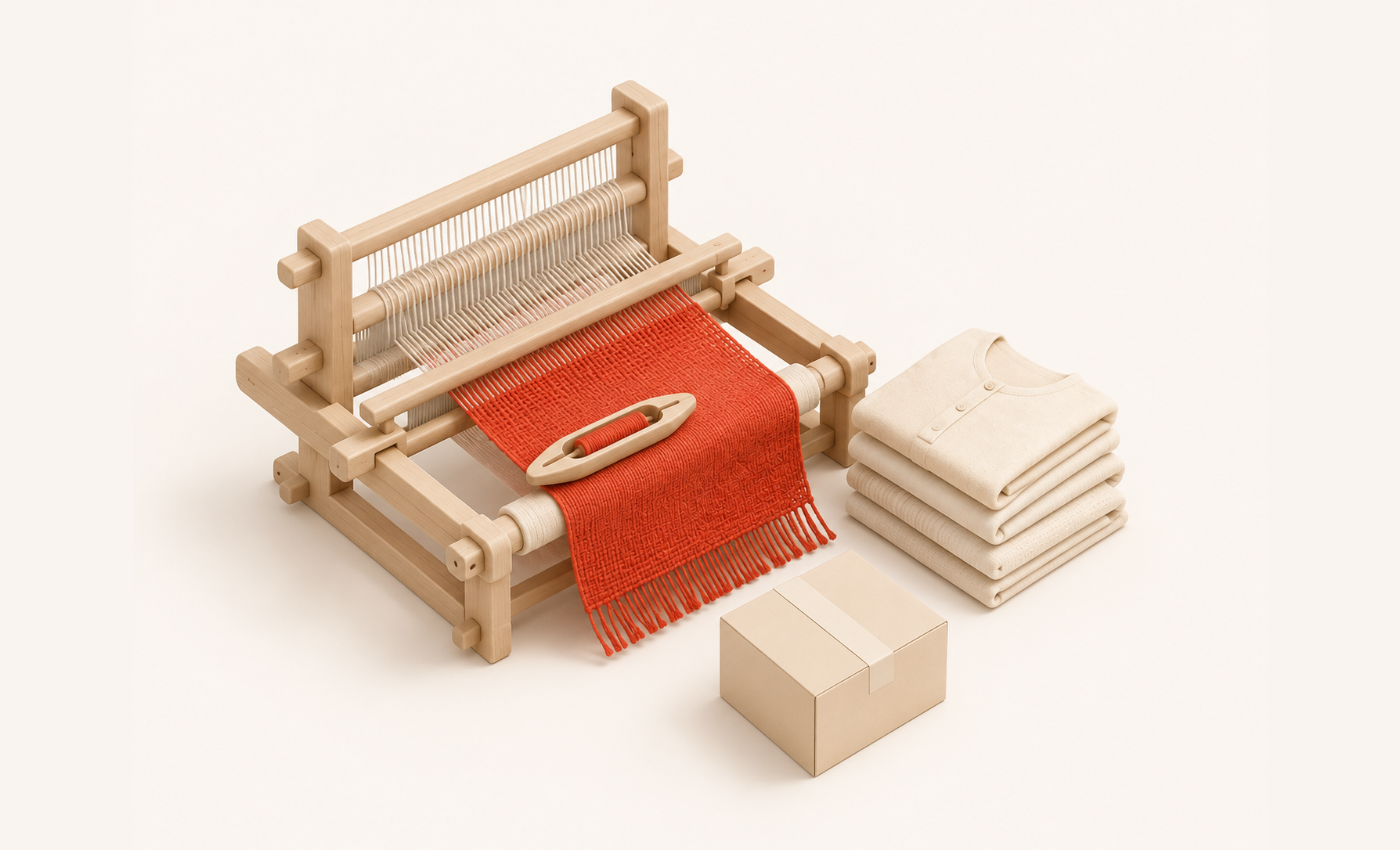
Hiranya is a contemporary sustainable womenswear label built on direct relationships with weavers — handwoven cotton, khadi, linen, chanderi silk and jamdani, with fabric that can take up to two months to make. The brand launched in October 2023 selling through Shopify, with pieces priced between ₹7,500 and ₹21,500.
The founders brought Avikosh Digital in to build the brand’s paid acquisition from nothing. We ran Google Ads and Meta Ads for eighteen months, holding an average return on ad spend of three to five times across that period.
The Challenge
A brand new store with no data: Launching in October 2023 meant no pixel history, no purchase signal and no audience to retarget. Google and Meta both need conversion volume before their algorithms become useful, and a new store has none.
A price point most of the category does not have: At ₹7,500 to ₹21,500 a piece, Hiranya sits several times above the fast-fashion brands competing for the same impressions. Broad fashion targeting burns budget on people who will never pay it.
Slow fashion is a considered purchase: Nobody buys a ₹15,000 handwoven dress on first click. The decision window is long, which makes single-session attribution misleading and retargeting essential.
Craft is hard to sell in a thumbnail: The value is in the weave, the fabric and the two months of work behind it — none of which is obvious in a 4:5 feed image.
What We Did
Built the measurement layer first: Google Tag Manager, purchase and add-to-cart events, and clean Shopify conversion tracking before a rupee went into scaling. A new store cannot afford to teach the algorithm on bad data.
Targeted the value, not the category: Audiences built around handloom, sustainable fashion, artisanal craft and conscious luxury rather than generic womenswear — because the buyer self-selects on values, not on the word “dress”.
Collection-led creative: Each drop — Living Canvas, The Silk Edit, Meeras, Scheherazade, Luxe Linen — ran as its own campaign with its own story, rather than pushing a flat product catalogue.
Sold the craft, not the discount: Creative led with fabric, weave and process. At this price point, discounting damages the brand faster than it lifts the return.
Retargeting built for a long window: Sequenced retargeting across the consideration period, because the purchase rarely happens in the first session.
Protected the margin: ROAS was managed against a premium average order value, so scale never came at the cost of selling the wrong pieces to the wrong buyer.
The Results
A three to five times average return on ad spend sustained across eighteen months, not a single peak month.
Paid acquisition built from zero on a store with no pixel history, no audience and no purchase data at launch.
Premium positioning held — the brand scaled without resorting to discount-led advertising.
Multiple collections launched to paid audiences each with its own campaign structure and creative direction.
How the Engagement Ended
After eighteen months, Hiranya took performance marketing in-house and built their own team. We handed over the account structure, audiences, creative learnings and tracking setup.
We include this because it is the honest outcome, and because it is a reasonable one: a brand that launches with no data and reaches the point of justifying a full-time internal team has grown. Our job was to get the acquisition engine working and proven — and it was.
Key Takeaways
At a premium price point, targeting values beats targeting the category: The buyer for a ₹15,000 handwoven dress is defined by what she believes about craft and sustainability, not by the fact that she buys clothes.
A new store needs measurement before it needs budget: Scaling spend on a store with broken or thin conversion data teaches the algorithm the wrong thing, and that lesson is expensive to unlearn.
Discounting is the fastest way to break a luxury brand: Return on ad spend achieved through markdowns is borrowed from the brand, not earned.
Selling a premium product online?
We will audit your existing ad account and show you where the spend is leaking — whether or not you decide to work with us.
Why it works: At ₹7,500 to ₹21,500 a piece, the buyer is defined by what she believes about craft and sustainability, not by the fact that she buys clothes. Targeting values rather than the category is what makes a premium return possible without discounting.